
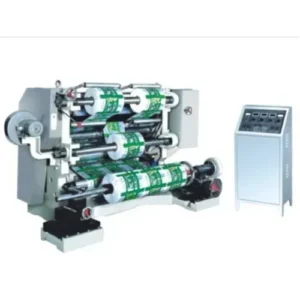
Impresora Flexográfica: Impresoras Flexográficas Para Bolsas de
Impresoras flexográficas LEEWIN para bolsas de plástico biodegradables. Cilindros variables 500-800 mm, impresión de logos y marcas con soporte técnico en.
By Kingdom Machine Co.,ltd Editorial Team · Updated 2026-08-10
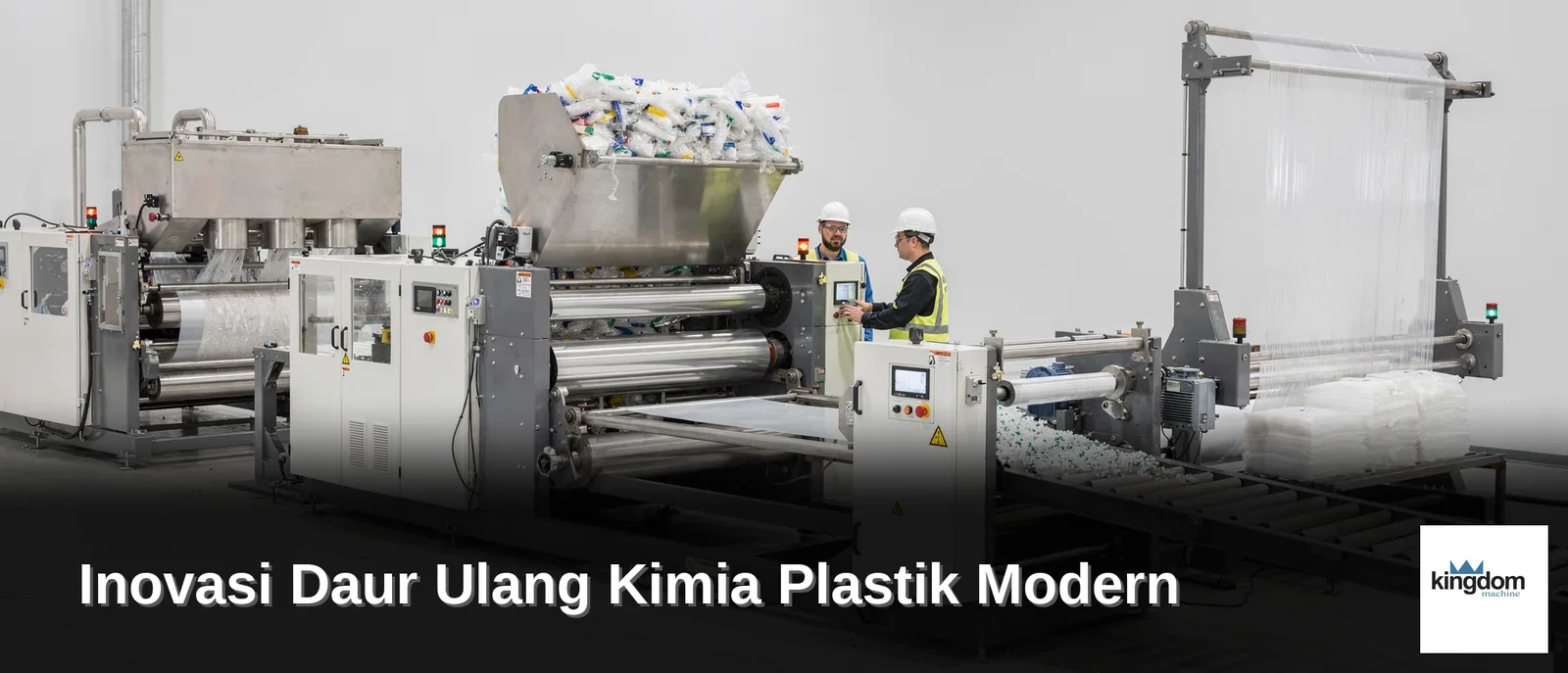
Chemical recycling innovation converts plastic waste into fuel and other value-added materials through Teknik Kimia processes, addressing pollution from millions of tons of plastic reaching landfills, rivers, and oceans yearly. Kingdom Machine Co., Ltd. complements such innovation with recycling extruders that process plastic film for reuse in production lines.
Daur ulang kimia breaks plastic waste down at the molecular level, turning it into raw material or fuel instead of simply reshaping it mechanically. Packaging, bottles, shopping bags, and industrial components account for much of daily plastic use, generating a steady stream of end-of-life material well suited to this approach.
Mechanical recycling melts and reforms plastic into new products, but the material loses quality with each cycle. Chemical recycling restructures polymer chains instead, so output can match the properties of virgin resin. That distinction matters for manufacturers who need consistent, reliable feedstock.
Two established chemical recycling routes fall under this category:
Kingdom Machine identifies itself as an experienced market leader in recycling, with particular expertise in packaging film recycling. Described as a mature manufacturer, the company produces a wide range of plastic bag production lines. Its portfolio explicitly includes recycling machines alongside film extrusion, bag production, flexographic and gravure printing, and stretch film equipment. Operations are based in Wenzhou, China, a major manufacturing hub for plastics processing technology.
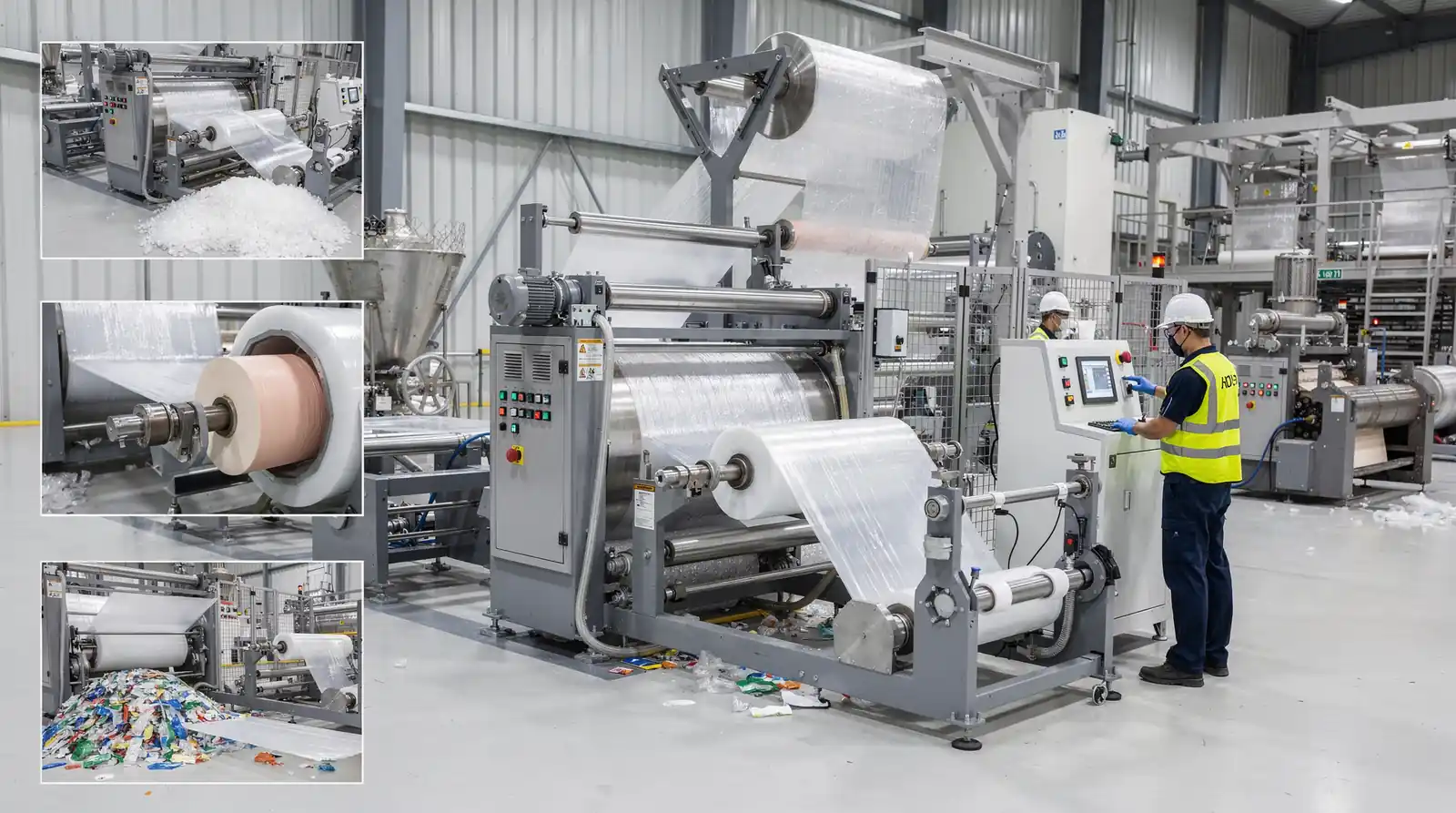
Thermochemical conversion breaks plastic polymers into fuel-grade molecules through controlled heat and limited oxygen exposure. Landfills, rivers, and oceans absorb millions of tons of plastic waste every year because the material resists natural decomposition. That accumulation drives demand for chemical recycling methods capable of turning discarded polymers into usable energy instead of permanent pollution.
Chemical engineering teams design the reactors behind this transformation. Coursework and applied research in the field focus on converting waste streams into value-added products. That same process logic underpins modern pyrolysis and gasification systems.
Pirolisis plastik heats shredded polymer feedstock in an oxygen-free chamber, cracking long molecular chains into liquid fuel, gas, and char. Gasifikasi plastik instead introduces a controlled, limited amount of oxygen or steam, producing a combustible synthesis gas rather than liquid oil. Both routes fall under the broader plastic-to-fuel category identified as one of the fastest-growing responses to the global plastic waste crisis.
Reliable output from either process depends on consistent feedstock preparation upstream. Kingdom Machine Co.,ltd has 50 employees. The company’s engineering team supports custom extrusion. Recycling equipment that feeds material into these downstream chemical conversion lines, helping processors maintain the throughput these reactors require.
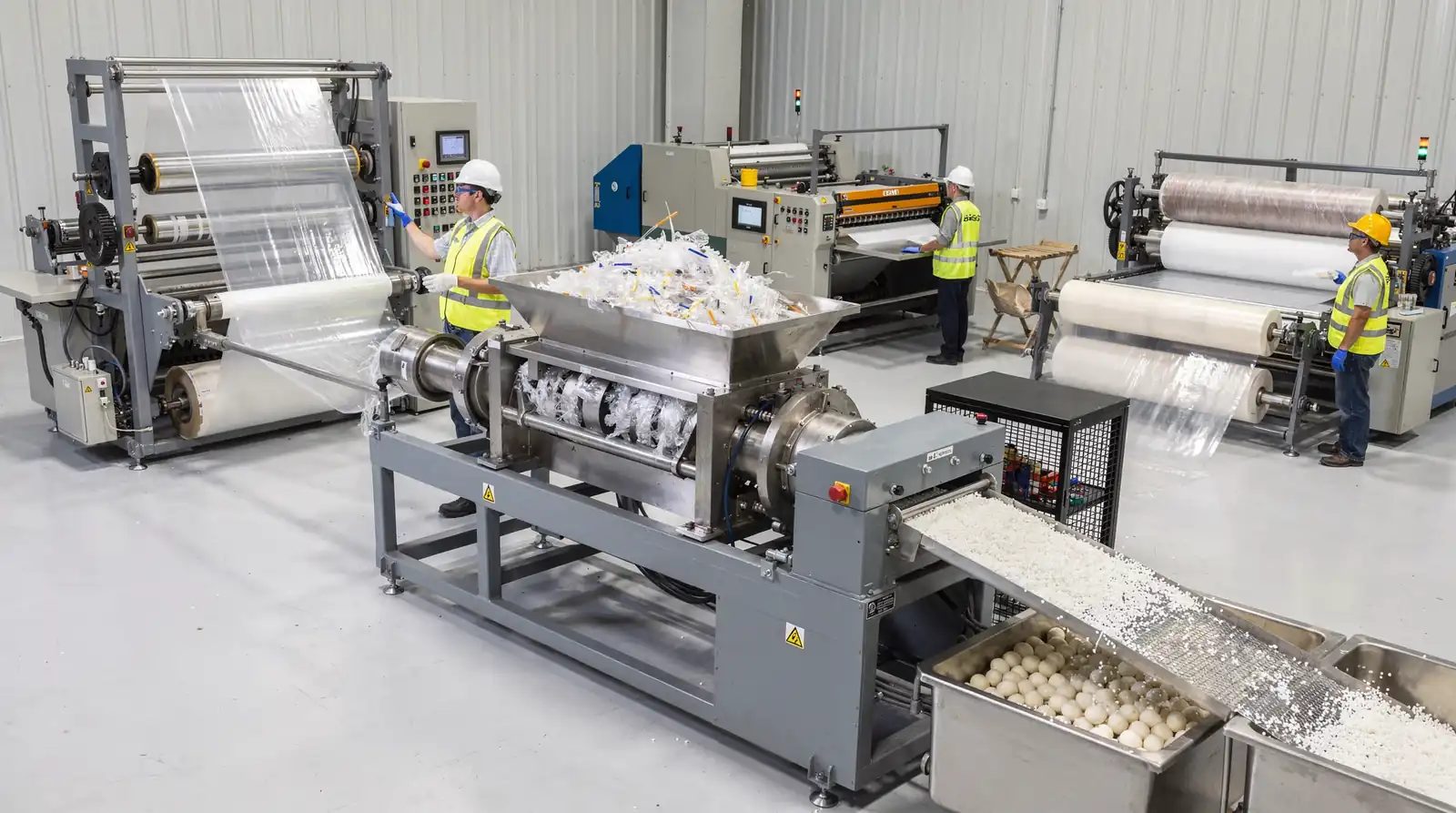
Factories processing plastic scrap need a manufacturing partner covering scrap-to-pellet operations without gaps in the supply chain. Losses mount quickly when converters juggle separate vendors for extrusion, printing, and recycling equipment. Mismatched specifications delay startup and inflate maintenance costs over time.
Kingdom Machine positions itself as an experienced market leader specifically within film-packaging recycling, a credential directly relevant to plants managing high volumes of scrap film. Recycling extruders sit alongside a wider manufacturing catalog, including:
No. The company operates as a mature manufacturer producing a broad selection of plastic bag production lines, reflecting operational continuity that industrial buyers rely on for long-term equipment support. Recycling capacity fits within a larger portfolio rather than standing as a standalone product line, easing coordination for daur ulang kimia initiatives that pair mechanical recycling with chemical processing.
Manufacturing takes place in Wenzhou, China, placing operations near a dense component supply chain used across recycling equipment production. That proximity supports sourcing for systems feeding downstream pirolisis plastik and gasifikasi plastik applications, which convert scrap material into usable feedstock or energy streams.
Daur ulang kimia memecah limbah plastik hingga tingkat molekul, mengubahnya menjadi bahan baku atau bahan bakar, bukan sekadar membentuk ulang secara mekanis. Proses ini cocok untuk kemasan, botol, kantong belanja, dan komponen industri yang menjadi limbah akhir.
Pirolisis memanaskan plastik dalam ruang tanpa oksigen, memecah rantai polimer menjadi minyak, gas, dan char. Gasifikasi menambahkan oksigen atau uap terbatas untuk menghasilkan gas sintesis yang dapat digunakan sebagai bahan baku energi atau kimia.
Kingdom Machine Co., Ltd, berbasis di Wenzhou, China, dengan 50 karyawan, menyediakan ekstruder daur ulang serta lini produksi kantong plastik, film, dan peralatan cetak. Perusahaan ini dikenal berpengalaman dalam daur ulang film kemasan.
Impresoras flexográficas LEEWIN para bolsas de plástico biodegradables. Cilindros variables 500-800 mm, impresión de logos y marcas con soporte técnico en.
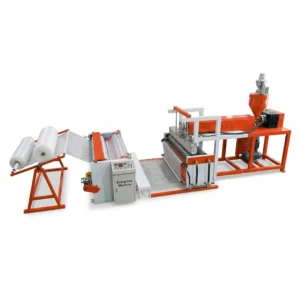
Descubre cómo el reciclaje de plástico industrial reduce costos de materia prima y fortalece la economía circular.
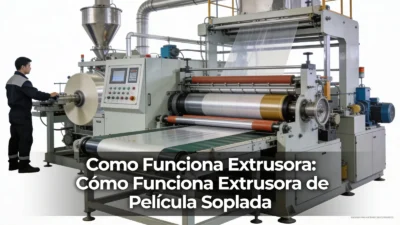
Descubre cómo funciona una extrusora de película soplada: fusión de resina, inflado de tubo y enrollado. Kingdom Machinery diseña equipos confiables para.
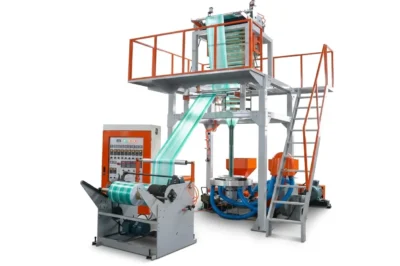
Aprende a elegir la mejor extrusora de película tubular evaluando husillo, control de velocidad e inversor. Guía profesional para fabricantes.